 AsiaByLand.com





☰
AsiaByLand.com
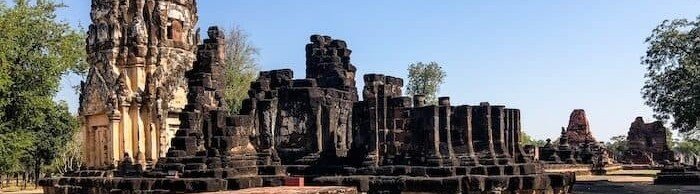
Wat Phra Phai Luang is located in the Northern Zone of Sukhothai Historical Park, just outside the ancient city's walls. It is believed to be one of the oldest religious monuments in Sukhothai, dating from the late 12th or early 13th century.
Originally constructed as a Hindu sanctuary during the Khmer period, the temple was later converted into a Buddhist monastery following the establishment of the Sukhothai Kingdom.
Today, visitors can admire its impressive Khmer-style prang, elegant Buddha images, ancient stupas, and peaceful surroundings that showcase the transition between Khmer and Sukhothai architecture.
Wat Phra Phai Luang predates the Sukhothai Kingdom and was originally built under Khmer rule as a Hindu temple dedicated to one of the principal Hindu deities.
After Sukhothai gained independence in the 13th century, the temple became a Buddhist monastery, with new Buddha images, stupas, and monastic buildings added over time.
Today the temple is one of the finest examples illustrating the transition from Khmer influence to the distinctive Sukhothai style of architecture and religious art.
Khmer Prang: The impressive central tower is among the finest surviving Khmer monuments in Sukhothai.
Ancient Stucco Work: Remnants of decorative carvings can still be seen on several structures.
Buddha Images: Beautiful Sukhothai-period Buddha statues added after the temple's conversion to Buddhism.
Stone Foundations: Explore the remains of assembly halls, galleries, and monastery buildings.
Peaceful Setting: The quieter Northern Zone offers excellent opportunities for photography.
Architectural Evolution: Compare Khmer construction techniques with later Sukhothai additions throughout the complex.
Open daily from approximately 6:30 AM to 6:00 PM.
Admission is included with entry to the Northern Zone of Sukhothai Historical Park or a combined park ticket.
November to February offers cooler temperatures and comfortable conditions for walking and photography. Early morning and late afternoon provide the best lighting.
Opening hours, admission fees, and access to archaeological sites may change. Please verify current information before your visit.
Follow Highway 12 west toward Old Sukhothai and continue to Sukhothai Historical Park.
Enter the Northern Zone, where Wat Phra Phai Luang is clearly signposted.
The temple is approximately 2 kilometers north of Wat Mahathat and is easily reached by bicycle, tram, or private vehicle.
Songthaews and local buses operate between New Sukhothai City and the historical park. Bicycle rentals are also available near the main entrance.
Cycling is one of the best ways to explore the Northern Zone and nearby ancient monuments.
Old Sukhothai Restaurants: Traditional Thai cuisine, Sukhothai noodles, and regional specialties.
Local Cafés: Small cafés serving coffee, cold drinks, and light meals near the historical park.
New Sukhothai City: A wider variety of Thai, vegetarian, and international restaurants.
Wat Phra Phai Luang is situated in a quiet archaeological area with virtually no nightlife.
Visitors usually spend evenings enjoying local restaurants, cafés, and cultural performances in Sukhothai.
New Sukhothai City offers a modest selection of bars and live music venues.
Sukhothai Walking Street: Weekend market featuring local food, handicrafts, clothing, and cultural performances.
New Sukhothai Night Market: Popular for authentic street food, desserts, souvenirs, and local products.