 AsiaByLand.com





☰
AsiaByLand.com
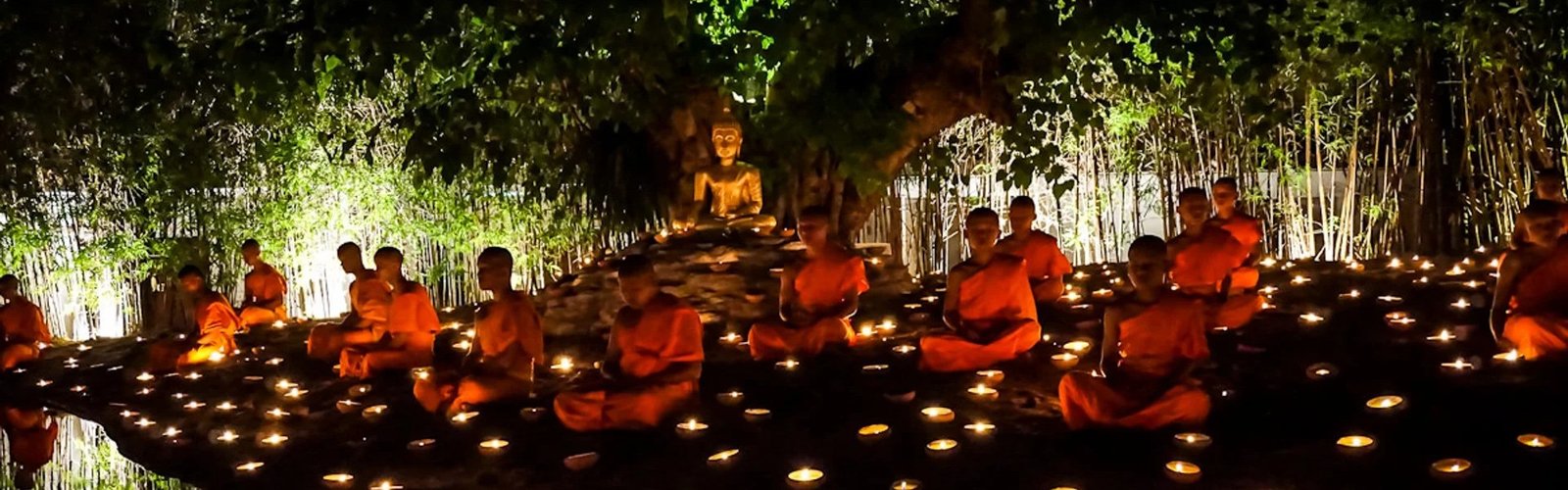
Visakha Bucha is one of the most sacred Buddhist festivals in Thailand. The day commemorates the birth, enlightenment, and passing (Parinirvana) of Gautama Buddha, all of which are traditionally believed to have occurred on the same full moon day.
In Sukhothai, Thailand's first capital, the celebration is especially meaningful. Historic temples throughout Sukhothai Historical Park and active monasteries become gathering places for worshippers, creating a peaceful atmosphere unlike any other time of year.
Visitors are welcome to respectfully observe the ceremonies and experience Thailand's living Buddhist heritage.
Visakha Bucha is celebrated annually on the full moon of the sixth lunar month, usually falling in May.
Ceremonies begin early in the morning with merit-making and continue throughout the day, culminating in candlelight processions after sunset.
As the festival follows the lunar calendar, the exact date changes each year.
Visakha Bucha commemorates the three most significant events in the life of Gautama Buddha: his birth, enlightenment under the Bodhi Tree, and his passing into Parinirvana.
Theravada Buddhism became the dominant religion during the Sukhothai Kingdom in the 13th century, and Visakha Bucha has been celebrated throughout Thailand ever since.
In 1999, the United Nations officially recognized Visakha Bucha as an international day of significance for Buddhists worldwide.
Visakha Bucha is considered the holiest day in the Buddhist calendar.
It encourages followers to reflect upon the Buddha's teachings, practice compassion, generosity, mindfulness, and moral living.
The festival also reminds Buddhists to cultivate wisdom, reduce suffering, and pursue inner peace through meditation and acts of kindness.
Morning Merit-Making: Families visit temples to offer food, flowers, candles, robes, and donations to monks.
Buddhist Chanting: Special prayer ceremonies and scripture recitations take place throughout the day.
Meditation: Many Buddhists spend time meditating and listening to Dharma teachings.
Temple Visits: Worshippers pay respect to Buddha statues and make offerings at historic temples.
Wian Tian Procession: After sunset, devotees carry candles, incense, and lotus flowers while walking three times around the temple's main ordination hall.
Acts of Kindness: Many people observe the Five Precepts, perform charitable acts, and avoid alcohol during the holy day.
Visitors can witness beautiful candlelight processions, peaceful temple ceremonies, and monks chanting in ancient temple surroundings.
The atmosphere is calm and respectful, making it an excellent opportunity to learn about Thai Buddhism and local traditions.
Tourists are welcome to participate respectfully in merit-making and candlelight walks if invited by local temple communities.
Dress modestly by covering shoulders and knees, remove shoes before entering temple buildings, and remain quiet during ceremonies.
Visakha Bucha is one of the most important religious days of the year for Thai Buddhists.
Families gather to make merit together, visit temples, offer food to monks, meditate, and reflect upon the teachings of the Buddha.
Schools, communities, and temples also organize educational activities to help younger generations understand Buddhist traditions and moral values.
Early morning for merit-making or shortly before sunset for the beautiful Wian Tian candlelight procession.
Photography is generally permitted outdoors but should never disturb worshippers or interrupt ceremonies.
Wear respectful clothing that covers shoulders and knees. Remove footwear before entering temple buildings.
Festival dates follow the Buddhist lunar calendar and vary each year. Check local schedules before visiting Sukhothai.
Temple Markets: During major Buddhist holidays, vendors sell traditional Thai sweets, vegetarian dishes, and refreshments.
Old Sukhothai Restaurants: Enjoy authentic Sukhothai noodles, curries, and regional specialties after visiting the temples.
Local Cafés: Relax with coffee and light meals near the entrance to Sukhothai Historical Park.