 AsiaByLand.com





☰
AsiaByLand.com
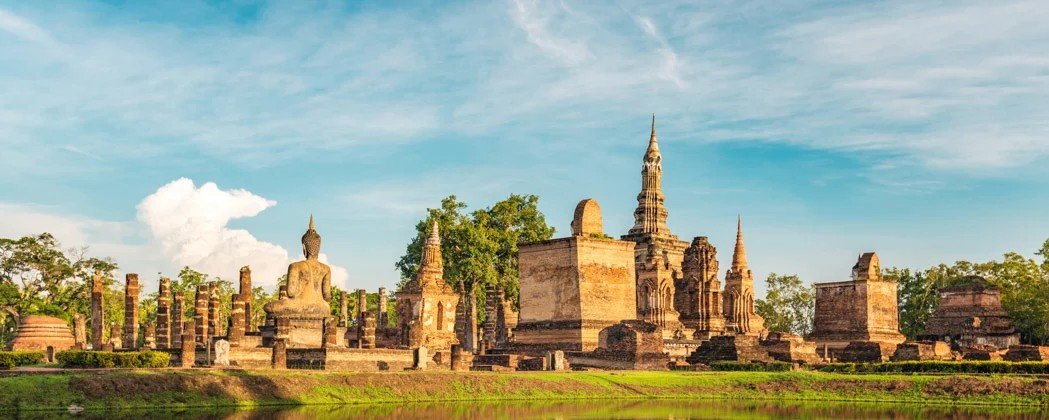
Sukhothai Historical Park is located in Sukhothai Province, approximately 12 kilometers west of New Sukhothai City. The park preserves the remains of the ancient Kingdom of Sukhothai, which flourished during the 13th and 14th centuries.
Covering around 70 square kilometers, the archaeological site contains nearly 200 historical monuments, including royal palaces, temples, city walls, gates, reservoirs, and impressive Buddha images.
Designated as a UNESCO World Heritage Site in 1991, Sukhothai Historical Park is regarded as one of Thailand's most important cultural treasures and a must-visit destination for history enthusiasts and photographers.
Sukhothai became the capital of the first independent Thai Kingdom in 1238 and is widely considered the birthplace of Thai civilization.
During the reign of King Ramkhamhaeng the Great, Sukhothai experienced a period of prosperity, artistic achievement, and the development of the Thai script.
Following centuries of decline after the rise of Ayutthaya, extensive archaeological restoration began in the 20th century, leading to the creation of Sukhothai Historical Park and its UNESCO World Heritage designation.
Wat Mahathat: The largest and most important temple in the ancient city.
Wat Si Chum: Home to the famous giant seated Buddha known as Phra Achana.
Ancient Buddha Statues: Elegant Sukhothai-style Buddha images admired for their graceful proportions.
City Walls & Moats: Well-preserved fortifications surrounding the old capital.
Lotus Ponds: Beautiful ponds reflecting ancient temple ruins, especially at sunrise and sunset.
Cycling Routes: Flat, scenic roads make exploring the park by bicycle a popular option.
Open daily from approximately 6:30 AM to 6:00 PM.
Separate admission fees apply for the Central Zone and additional archaeological zones.
Bicycle rentals and tram services are available for an additional charge.
November to February offers cooler temperatures, pleasant weather, and ideal conditions for walking and cycling around the park.
Opening hours, admission fees, and access to archaeological zones may change. Please verify current information before your visit.
Follow Highway 12 west toward Old Sukhothai.
Clearly marked signs lead directly to Sukhothai Historical Park, where several parking areas are available.
Drive northwest on Highway 12 directly to Sukhothai Historical Park.
Local buses and songthaews operate between New Sukhothai City and the Historical Park. Tuk-tuks and taxis are also widely available.
Renting a bicycle is one of the most enjoyable ways to explore the extensive archaeological park.
Old Sukhothai Restaurants: Traditional Thai cuisine, Sukhothai noodles, and local specialties.
Garden Cafés: Coffee shops and cafés overlooking the historical park.
New Sukhothai City: Larger selection of Thai, international, and vegetarian restaurants.
Sukhothai is known for its peaceful atmosphere rather than nightlife.
Visitors typically enjoy evening strolls, local restaurants, cafés, and occasional cultural performances.
New Sukhothai City offers a small selection of bars and live music venues.
Sukhothai Walking Street: Weekend market featuring local food, handicrafts, clothing, and live performances.
New Sukhothai Night Market: Popular for authentic street food, desserts, souvenirs, and local products.