 AsiaByLand.com





☰
AsiaByLand.com
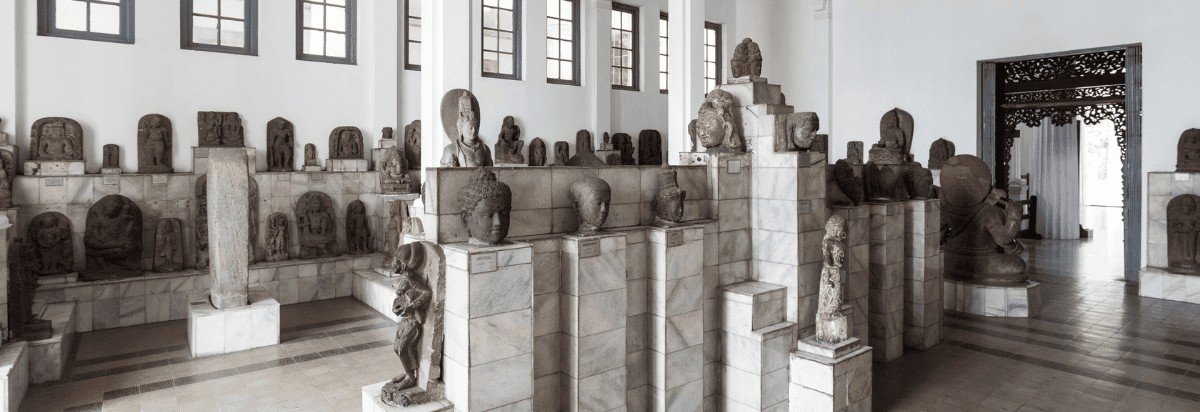
Ramkhamhaeng National Museum is located beside the entrance to Sukhothai Historical Park in Old Sukhothai. Established in 1964, the museum preserves and displays important archaeological discoveries from Sukhothai, Si Satchanalai, Kamphaeng Phet, and nearby historical sites.
The museum provides valuable insight into the history, religion, art, and daily life of the Sukhothai Kingdom, making it an ideal starting point before exploring the ancient ruins.
Its galleries feature beautifully preserved Buddha images, stone inscriptions, ceramics, architectural fragments, and religious sculptures spanning several centuries.
The museum officially opened in 1964 to preserve archaeological discoveries uncovered during the restoration of the ancient city of Sukhothai.
The museum honors King Ramkhamhaeng the Great, one of Sukhothai's most celebrated rulers, who is credited with expanding the kingdom and developing the Thai script.
Additional exhibition buildings were later added to accommodate the growing collection, allowing visitors to explore thousands of historical artifacts from Thailand's early civilizations.
Sukhothai Buddha Images: Elegant sculptures representing the distinctive Sukhothai artistic style.
Stone Inscriptions: Ancient inscriptions documenting the history and culture of the kingdom.
Sangkhalok Ceramics: Beautiful pottery and ceramics produced during the Sukhothai period.
Architectural Fragments: Decorative carvings, lintels, and temple ornaments recovered from nearby ruins.
Bronze Sculptures: Religious statues and ceremonial objects crafted by skilled artisans.
Historical Exhibits: Displays explaining the rise, prosperity, and legacy of the Sukhothai Kingdom.
Open Wednesday to Monday from approximately 9:00 AM to 4:00 PM. Closed on Tuesdays.
A separate admission fee applies and is not included with entry to Sukhothai Historical Park.
Visit before or after exploring Sukhothai Historical Park to gain a deeper understanding of the archaeological sites and artifacts found throughout the ancient city.
Opening hours, admission fees, and exhibition schedules may change. Please verify current information before your visit.
Follow Highway 12 west toward Old Sukhothai.
The museum is located directly beside the main entrance to Sukhothai Historical Park and is clearly signposted.
Travel northwest via Highway 12 directly to Old Sukhothai.
Songthaews and local buses operate between New Sukhothai City and Old Sukhothai. Tuk-tuks and taxis are also readily available.
Many visitors tour the museum before renting a bicycle to explore Sukhothai Historical Park.
Old Sukhothai Restaurants: Traditional Thai cuisine, Sukhothai noodles, and regional specialties.
Local Cafés: Coffee shops and cafés near the museum and historical park entrance.
New Sukhothai City: A wider selection of Thai, international, and vegetarian restaurants.
The museum is located within the peaceful surroundings of Old Sukhothai and has no nightlife.
Visitors typically enjoy local restaurants, cafés, and evening walks around the historical area.
New Sukhothai City offers a small selection of bars and live music venues.
Sukhothai Walking Street: Weekend market featuring local food, handicrafts, clothing, and cultural performances.
New Sukhothai Night Market: Popular for authentic street food, desserts, souvenirs, and local products.