 AsiaByLand.com





☰
AsiaByLand.com
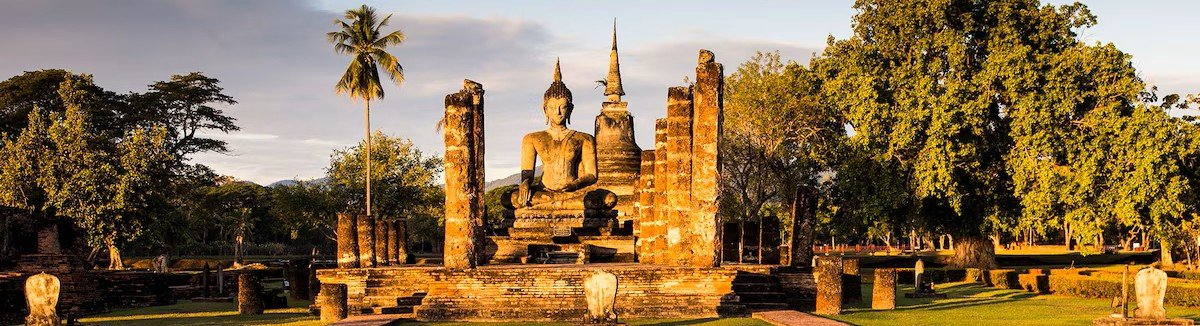
The Sukhothai Buddha Heritage Ceremonies are a series of Buddhist religious and cultural events celebrating the spiritual traditions that have flourished in Sukhothai for more than 700 years.
Ceremonies are held throughout the year at temples within and around Sukhothai Historical Park, with larger celebrations taking place during important Buddhist holy days.
Visitors have the opportunity to witness authentic Buddhist traditions while exploring one of Thailand's most important UNESCO World Heritage Sites.
Buddha Heritage Ceremonies take place throughout the year, with the largest events occurring on major Buddhist holy days, including:
Makha Bucha (February)
Visakha Bucha (May)
Asalha Bucha (July)
Khao Phansa (Beginning of Buddhist Lent – July)
Additional heritage events, meditation programs, candlelight ceremonies, and merit-making activities are occasionally organized by local temples and cultural authorities throughout the year.
Buddhism flourished during the Sukhothai Kingdom beginning in the 13th century. Kings actively supported Theravada Buddhism, leading to the construction of magnificent temples, monasteries, and Buddha statues that remain today.
Sukhothai's rulers encouraged religious education, meditation, and merit-making, establishing many of the traditions still practiced in modern Thailand.
Today's ceremonies preserve these ancient customs, allowing both local communities and visitors to experience Thailand's living Buddhist heritage.
The ceremonies honor the teachings of the Buddha, promote compassion, mindfulness, generosity, and preserve Thailand's religious traditions.
They also celebrate Sukhothai as the birthplace of Thai Buddhist art, architecture, and spiritual culture.
For local communities, these ceremonies strengthen family ties, community unity, and respect for the country's cultural heritage.
Morning Merit-Making: Devotees offer food, flowers, candles, and robes to monks.
Temple Prayers: Chanting ceremonies are held throughout the day inside historic temples.
Meditation Sessions: Visitors and locals participate in peaceful meditation led by Buddhist monks.
Candlelight Processions: Evening processions circle temple ordination halls carrying candles, incense, and lotus flowers.
Traditional Music & Dance: Cultural performances celebrate Sukhothai's artistic heritage.
Historical Exhibitions: Museums and cultural centers showcase Buddhist history, ancient artifacts, and archaeological discoveries.
Visitors are welcome to observe ceremonies and, in many cases, respectfully participate in merit-making and candlelight processions.
Expect peaceful temple grounds, monks in saffron robes, traditional chanting, floral offerings, and beautifully decorated Buddha statues.
Photography is generally permitted outdoors, although visitors should always be respectful during religious ceremonies.
Modest clothing that covers shoulders and knees is recommended when entering temple buildings.
These ceremonies are an important opportunity for Thai families to make merit together, honor their ancestors, and strengthen their Buddhist faith.
Many local residents prepare food for monks, visit multiple temples, meditate, and spend the day performing acts of kindness.
Younger generations also learn about Sukhothai's history and cultural identity through educational activities organized during the celebrations.
Early morning for alms-giving ceremonies or early evening for candlelight processions.
Wear modest clothing covering shoulders and knees. Remove shoes before entering temple buildings.
Photography is generally welcome outdoors but should never interrupt prayers or religious ceremonies.
Ceremony schedules vary throughout the year according to the Buddhist calendar. Visitors should check local event calendars or inquire at Sukhothai Historical Park for current programs.
Temple Markets: During major ceremonies, local vendors sell traditional Thai sweets, snacks, and refreshments.
Old Sukhothai Restaurants: Enjoy authentic Sukhothai noodles, curries, and regional specialties.
Garden Cafés: Relax with coffee and light meals after exploring the historical park.